
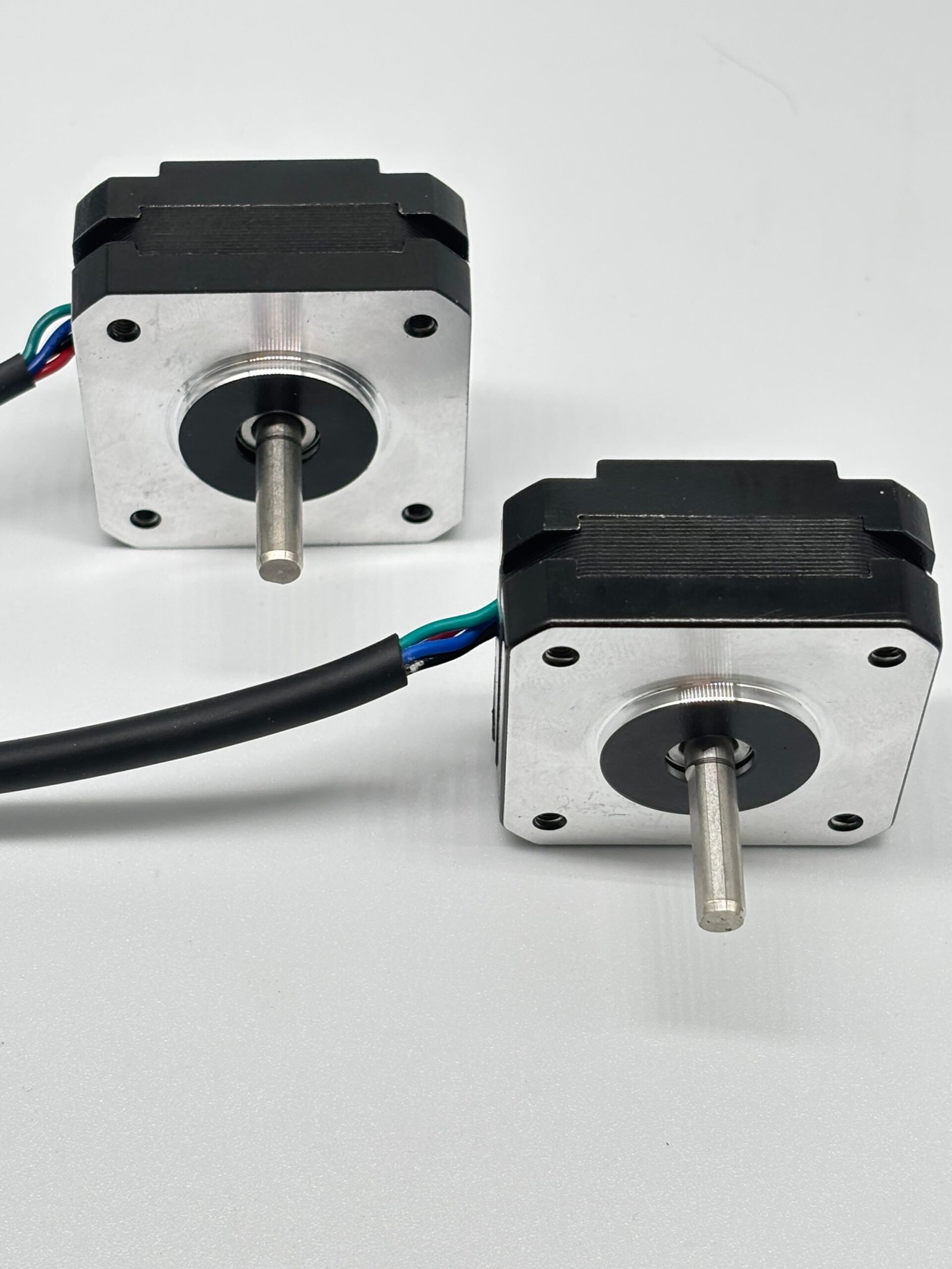
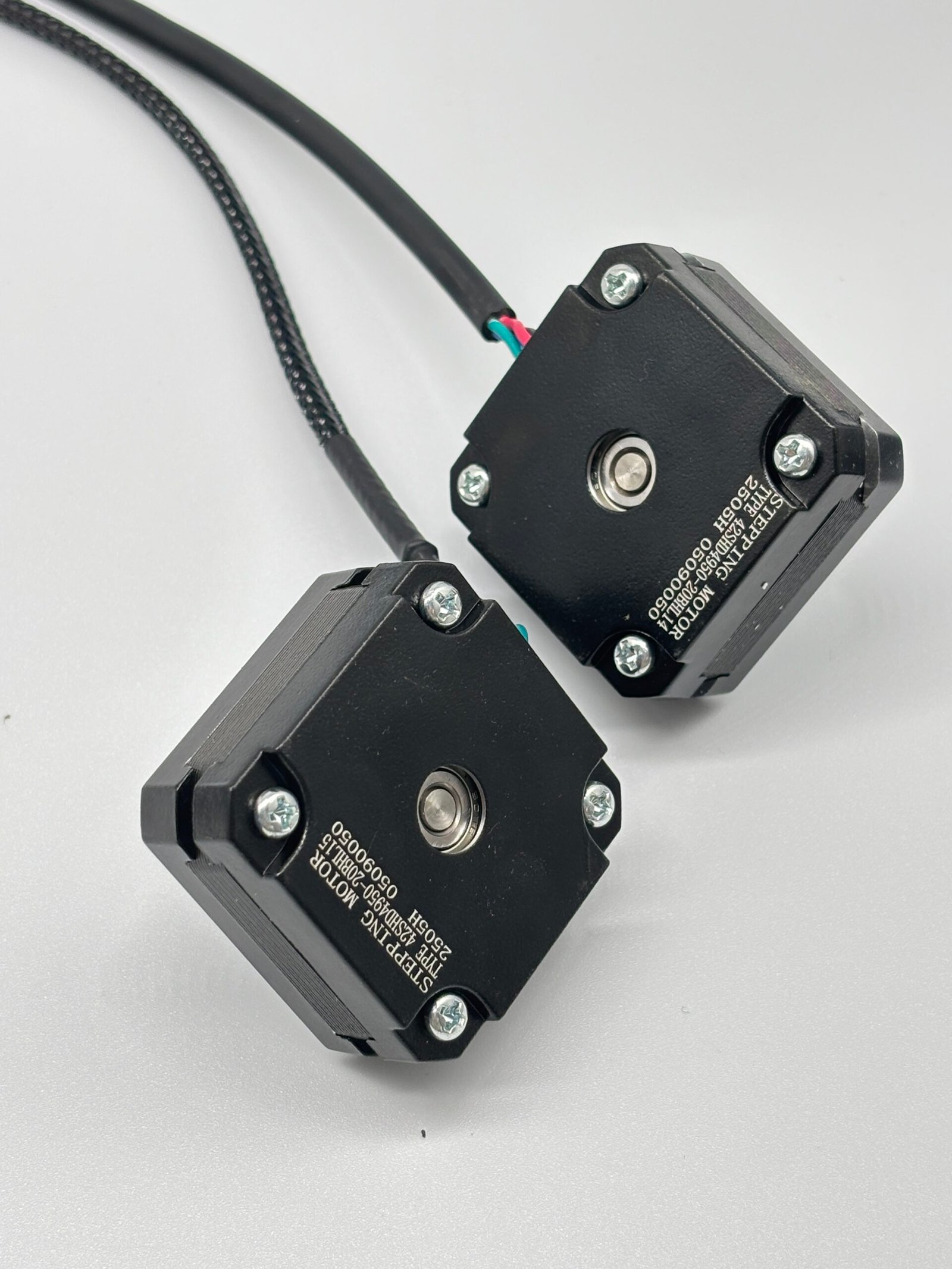


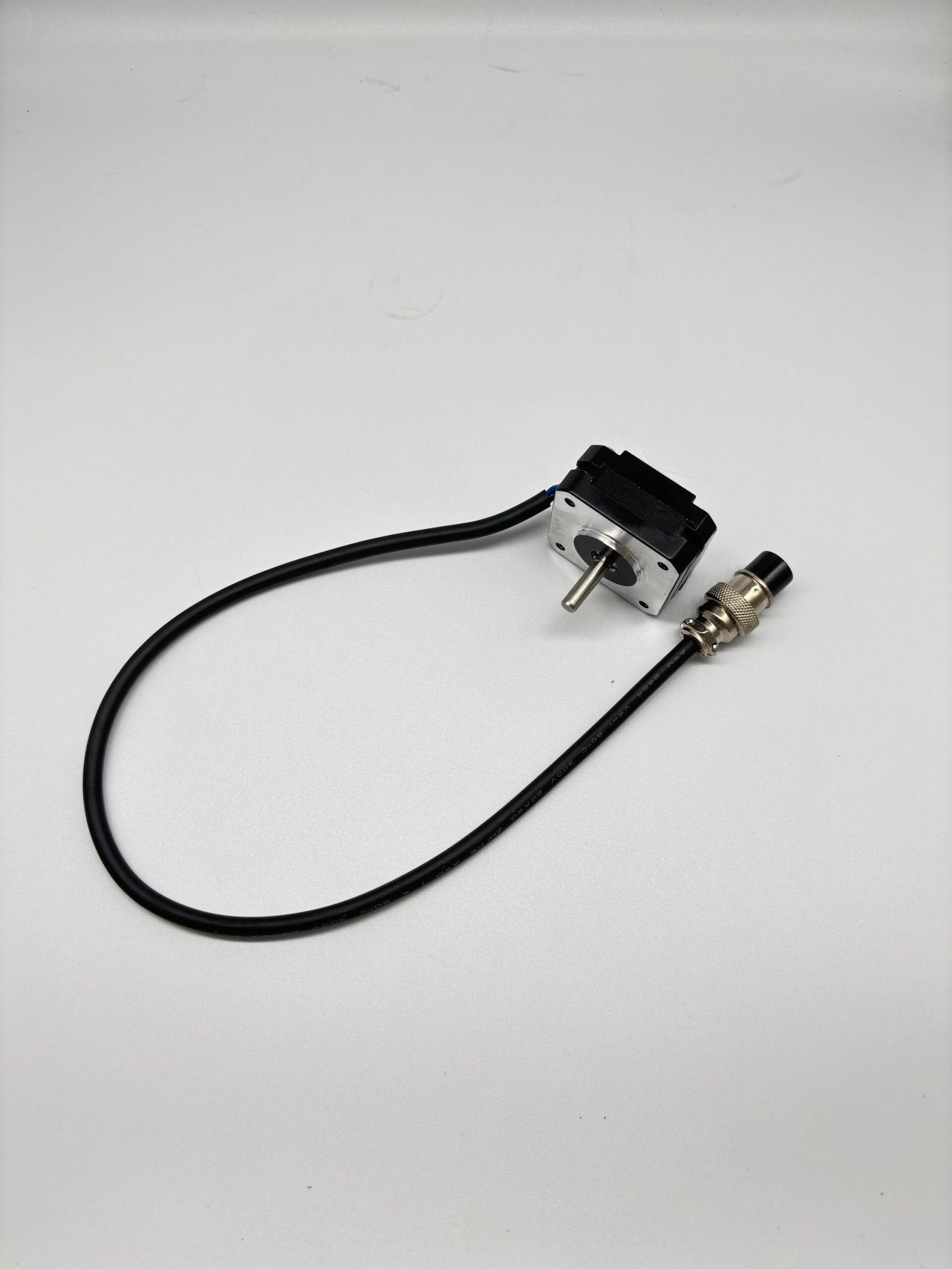


Description
Electric Motors — Reliable drive for every application
Headline / Hero:
High-performance electric motors — precise, durable, and engineered for industrial-grade reliability.
From compact servos to heavy-duty industrial drives, our motor portfolio delivers predictable torque, long life, and straightforward integration for automation, mobility, and energy systems.
1. Product overview (what an electric motor does)
An electric motor converts electrical energy into mechanical rotational energy. It provides controlled torque and speed to drive pumps, fans, conveyors, actuators, vehicles and precision motion systems. Proper motor selection ensures efficiency, reliability, controllability and long service intervals in the target application.
2. Product types (clear, technical classification)
2.1 AC Induction (Asynchronous) Motors
- Robust, simple construction and economical for continuous-duty applications.
- Typical uses: pumps, fans, compressors, conveyors, general-purpose drives.
- Features: squirrel-cage rotor, moderate starting torque, reliable at fixed speeds or with VFD (variable frequency drive) control.
2.2 Synchronous Motors (including Permanent Magnet Synchronous Motors — PMSM)
- Rotor speed locked to electrical frequency; PMSM uses permanent magnets for high torque density and efficiency.
- Typical uses: precision positioning, high-efficiency drives, EV traction, compressors.
- Features: high efficiency, excellent speed/position control when paired with suitable drives.
2.3 Brushed DC Motors
- Simple, cost-effective for low-power and battery-powered devices.
- Typical uses: small actuators, toys, portable tools, simple motion systems.
- Features: easy control via voltage, limited lifespan due to brush wear.
2.4 Brushless DC (BLDC) Motors
- Electronic commutation replaces brushes — higher efficiency and longer life.
- Typical uses: drones, pumps, HVAC blowers, precision drives, electric vehicles (auxiliary systems).
- Features: high power density, good speed range, requires electronic controller (ESC/drive).
2.5 Servo Motors (AC or DC)
- Designed for closed-loop control with high torque accuracy and fast response.
- Typical uses: CNC machines, robotics, pick-and-place, machine tools.
- Features: built-in encoder/resolver feedback options, rapid acceleration/deceleration.
2.6 Stepper Motors
- Open-loop position control in discrete steps; excellent for accurate low- to medium-speed positioning without encoder.
- Typical uses: 3D printers, lab automation, low-cost positioning stages.
- Features: precise incremental motion, torque drops at high speed.
2.7 Gear Motors & Integrated Motor-Reducer Units
- Motor coupled to gearbox to provide high torque at low speed and simplified integration.
- Typical uses: conveyors, material handling, closing systems, robotics base drives.
- Features: compact torque multiplication, wide speed/torque options.
2.8 Specialty Motors
- Explosion-proof, high-temperature, submersible, cryogenic, or custom-wound motors for niche environments such as oil & gas, marine, aerospace and medical devices.
3. Key technical parameters to specify (what matters for correct selection)
When selecting a motor, provide or verify these parameters:
- Power / rated output (W, kW, HP) — continuous and peak if applicable
- Speed (rpm) — rated speed and required operating speed range
- Rated torque & peak torque (Nm)
- Duty cycle (continuous S1, intermittent S2/S3, etc.)
- Voltage & frequency / DC supply (VAC, VDC) and allowable tolerances
- Starting & stall torque requirements
- Mounting style & dimensions (foot, flange, servo face, shaft diameter/length)
- Shaft type & keyway or hollow shaft needs
- Feedback / encoder / resolver requirements (for closed-loop control)
- Ingress protection (IP rating) and environmental requirements (temperature, humidity, salt spray)
- EMC / noise / insulation class and any regulatory compliance (CE, UL, RoHS, ATEX, etc.)
- Required lifetime / MTBF / maintenance intervals
- Mechanical loads (inertia, shock, vibration) and any gearbox integration needs
4. Typical applications (by industry)
Industrial Automation & Machine Tools
- CNC axes, spindle drives, feeders, robotic manipulators.
- Requirements: high dynamic response, accurate position control, long duty cycles.
Robotics & Motion Control
- Joint drives, grippers, AGV/AMR traction motors.
- Requirements: compactness, high torque density, low inertia for agile motion.
HVAC, Pumps & Compressors
- Fans, blowers, centrifugal pumps, refrigeration compressors.
- Requirements: reliability, energy efficiency, compatibility with VFD control.
Transportation & Mobility
- Electric vehicle traction, auxiliary pumps, actuators on buses, rail traction motors.
- Requirements: high power density, thermal management, safety certifications.
Energy & Renewable
- Wind turbine yaw/blade pitch actuators, solar tracking motors, generator prime movers.
- Requirements: corrosion resistance, wide temperature range, long service life.
Medical & Laboratory Equipment
- Pumps, ventilators, imaging positioning stages.
- Requirements: precise, quiet, low EMI, cleanable housings.
Marine & Offshore
- Winches, thruster actuation, hydraulic pump drives.
- Requirements: IP-rated housings, corrosion-resistant materials, explosion-proof options.
Consumer & Light Industry
- Household appliances, power tools, small pumps, office equipment.
- Requirements: low cost, compactness, acceptable lifecycle cost.
5. Performance & reliability highlights (what we emphasize)
- Efficiency & energy savings: optimized electromagnetic design and low-loss materials reduce operating cost.
- Thermal management: improved heat dissipation paths and insulation choices to increase continuous rating.
- Durability: robust bearings, shaft sealing, and optional protective coatings for harsh environments.
- Control compatibility: motors designed to integrate with common drives (VFDs, servo drives, ESCs) with standard interfaces.
- Quality assurance: factory testing for torque, speed, insulation resistance, vibration and bearing life.
6. Selection guidance (practical steps)
- Define the load profile — torque vs. speed over the duty cycle.
- Choose motor type based on control needs: open-loop (stepper / brushed DC) vs closed-loop (servo / BLDC / PMSM).
- Check electrical system compatibility — supply voltage, drive type and available control signals.
- Verify mechanical fit — mounting, shaft, gearbox interface.
- Confirm environmental & certification needs — IP, temperature, hazardous location approvals.
- Prototype & test — request samples for in-system validation (thermal, EMC, lifetime).
7. Customization & services
We offer:
- Tailored windings, shaft modifications and integrated gearboxes.
- Encoder/resolver integration and custom connectorization.
- Application engineering: load analysis, thermal modeling, and control tuning support.
- Small-batch samples and scale production with incoming inspection reports and test certificates.
8. Certifications & quality control
Typical quality practices and certifications we can provide or comply with:
- ISO 9001 production and quality management.
- Routine testing: no-load/specified-load run test, insulation resistance, high-pot, vibration and balance.
- Industry-specific approvals on request (CE, UL, RoHS; ATEX or marine approvals available for specialty models).
9. Call to action (CTA)
Need a motor solution matched to your application? Provide your power, speed, torque, duty cycle, mounting and environment and we’ll recommend the optimal motor family, suggest controllers and offer sample units for testing.
Contact us for datasheets, CAD models, and a custom quote — let’s get your machine moving reliably.

Reviews
There are no reviews yet.